Custom manufacturing · buyer reference
Which files to send and in which format, how long each process takes, the six variables that set unit price, how your drawings and intellectual property are protected, and which documents ship with finished parts. Thirty-three questions are answered on this page. Where a figure belongs to a published standard, this page links to the table that maintains it rather than restating it.
It depends on whether the order uses an existing platform or needs new tooling. A written production schedule is confirmed before the order is placed.
Existing models are usually available sooner than custom-built samples. Current available samples and their estimated dispatch dates are listed at enquiry stage.
Yes. Tooling and structural design are completed before mass production, with time reserved for sample builds and approval.
It normally starts after the drawing and sample are approved and the order terms are agreed. The exact start point is stated in the order documents.
The affected stages and dates are reviewed, and an updated written schedule is agreed before work continues.
The platform, level of customisation, quantity, packaging and destination all affect the figure. A formal quotation lists the items separately.
Quotations are commonly structured in quantity tiers. Each tier and its corresponding unit price are shown in the quotation rather than assumed.
The trade term and the point where costs transfer are stated in the order documents. Landed cost differs between terms.
A deposit followed by a balance payment is typical. The percentages and due points are set out in the proforma invoice.
This varies by model and customisation level. Any sample charge and credit rules are written into the quotation.
Mortise type, backset, faceplate, cylinder keyway, door thickness and handing are checked against the door specification before a model is selected.
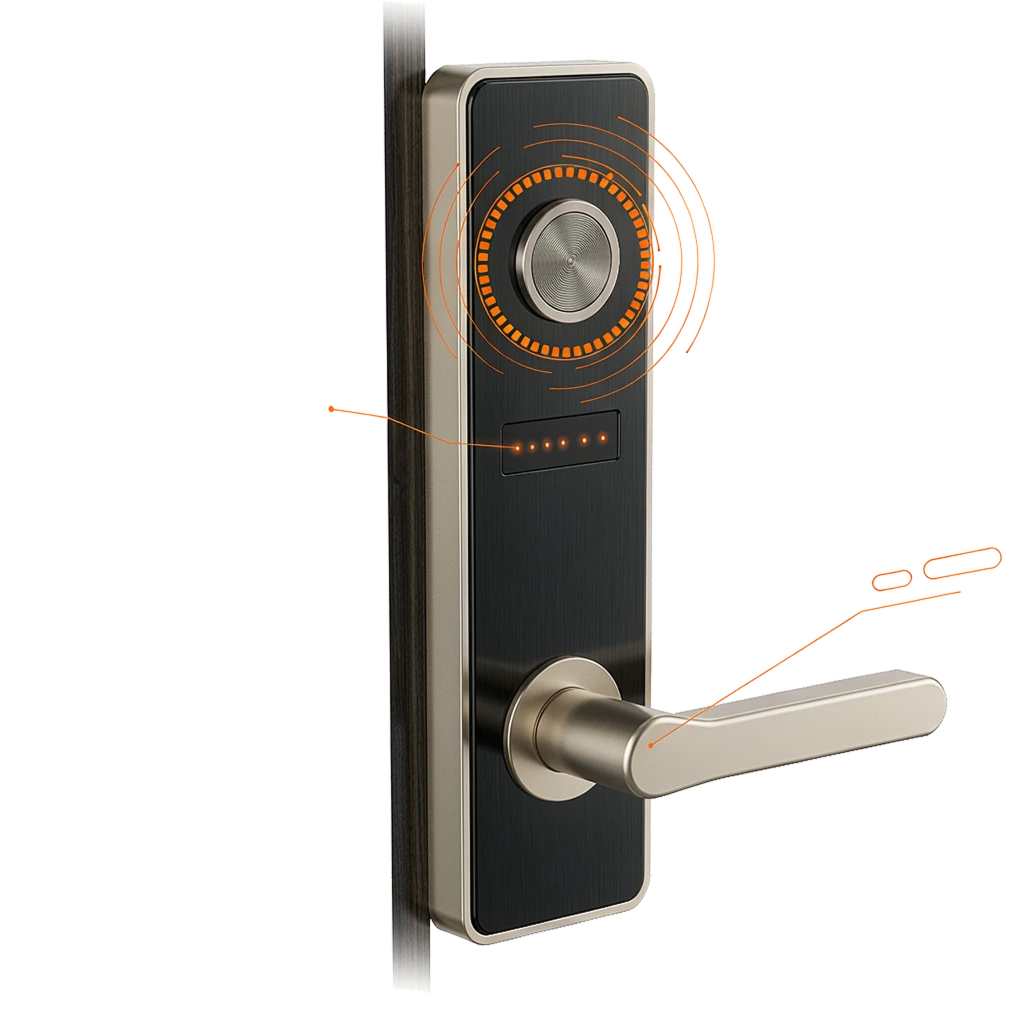
Fingerprint, PIN, card, mechanical key, face and palm vein options are configured per model. The specification sheet lists what each platform supports.
Protocol support, SDK or API access and integration scope are confirmed per model after a technical review.
Battery type, expected life and low-battery alerts differ by model and connectivity. Published figures should be read together with their test conditions.
Ingress protection, operating temperature and finish treatment vary by model. Outdoor suitability is checked against the published ratings before selection.
OEM follows the buyer's specification and branding. ODM starts from an existing platform and adjusts branding, appearance or packaging.
Brand marks, packaging and accompanying documents are handled as agreed for the project. Trademark authorisation is provided by the buyer.
Minimum quantities are set by model and by how much of the product is customised. Confirm the figure for the platform you are considering before planning volumes.
Requirements depend on the model and the destination market. The document list and its scope are confirmed for the model under consideration.
Confidentiality terms are usually agreed before drawings are exchanged. Scope and duration are confirmed in writing by both parties.
The 20 answers on this page are not a complete list — they are what buyers ask before the first order. Anything else is one email away.